
RizzitGO Finds
Spreadsheet
OVER 5000+
WITH QC PHOTOS
Click the images below to browse!
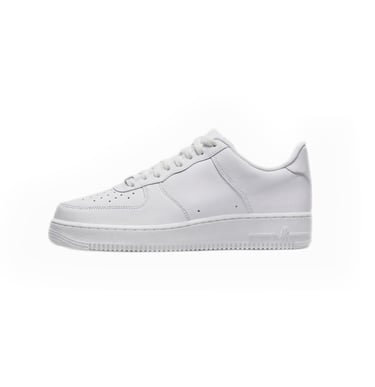



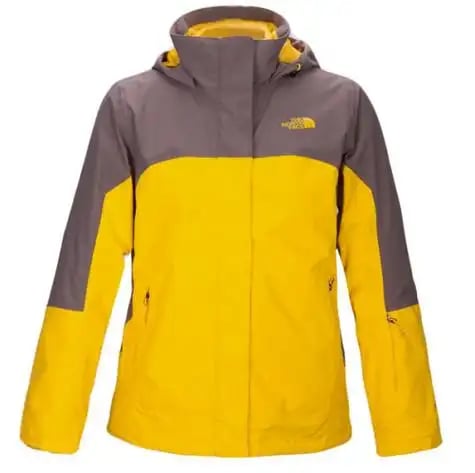






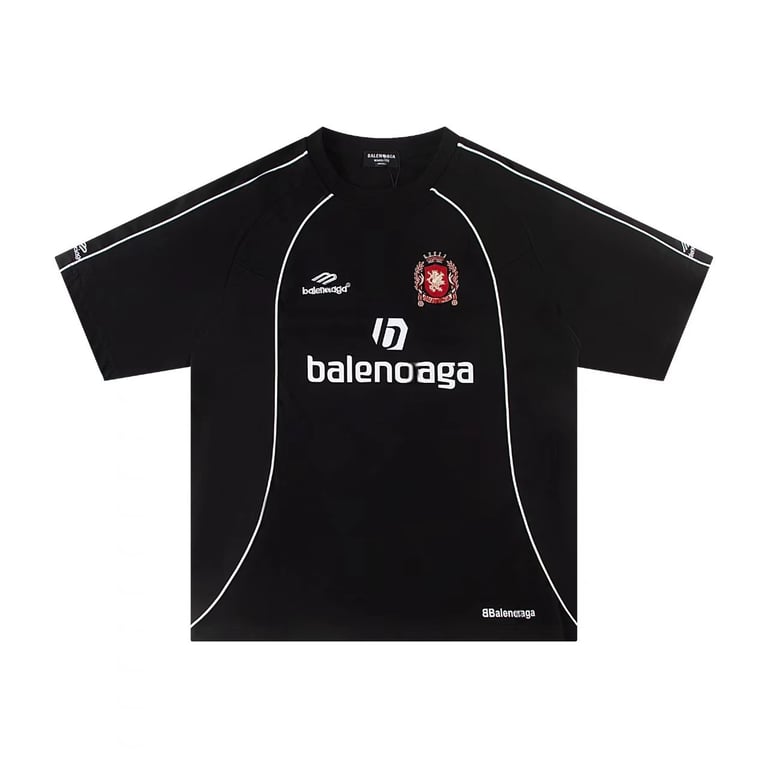
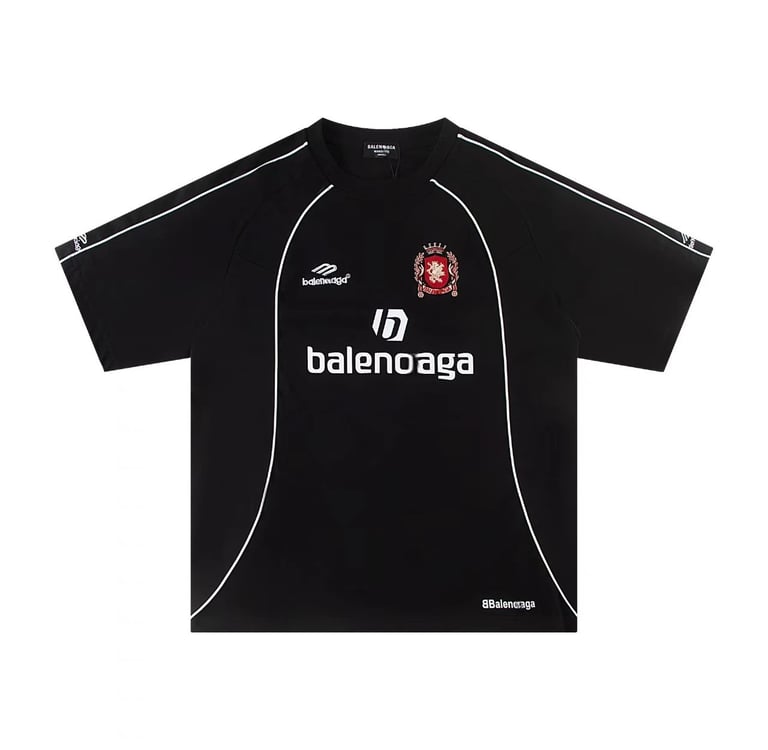


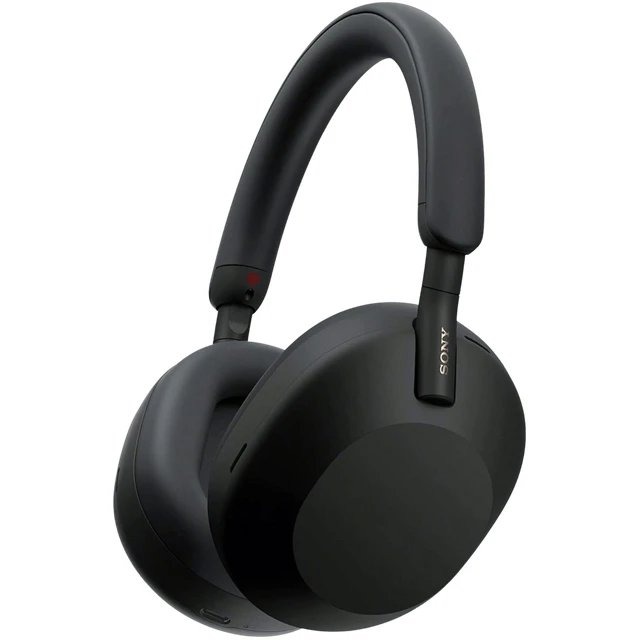
How Rizzitgo spreadsheet supports budget-conscious shopping decisions
There is a common pattern in cross-border budget shopping that rarely gets discussed directly: people don’t fail because they lack cheap options, they fail because they choose too early without understanding how pricing actually behaves across suppliers.
A typical user starts with a simple goal—“find something cheaper.” But what usually happens is very different. They jump between listings, compare a few visible prices, and end up picking whatever looks lowest at that moment. Later, they often realize the same product exists elsewhere at a more stable or more reasonable price range.
This is exactly the type of behavior the Rizzitgo spreadsheet was designed to stabilize.
In a real usage scenario, a buyer looking for budget-friendly items does not start with a clear structure. They usually enter through scattered product listings across micro-stores. At first glance, everything looks similar: same product type, different prices, inconsistent naming, and no clear indication of which listing is actually reliable.
What the Rizzitgo spreadsheet does in this situation is not “recommend cheaper items,” but reorganize what the user is seeing into repeatable supply patterns.
Instead of treating each listing as an independent choice, it quietly groups them based on how often the same product appears across different suppliers. Once that happens, something changes in how decisions are made. A product that looked “cheap” in isolation may no longer feel like a good deal once it is seen repeated at more stable price points elsewhere. At the same time, slightly higher-priced listings may actually become more attractive because they appear more consistently across sources.
A typical shift happens after this reorganization.
Users stop focusing on the lowest visible price and start noticing something else: stability. Some items appear again and again across different suppliers with only small price differences. Others appear once and disappear. In practice, this difference matters more than the discount itself.
Inside the Rizzitgo spreadsheet, this is not presented as a rule, but as structure. Products that repeatedly show up across multiple supply sources naturally become more “trusted” in the browsing flow. Budget decisions begin to move from impulse-based selection toward comparison-based selection.
There is also a subtle behavioral change that happens over time.
After a few sessions, users stop jumping directly to the cheapest option. Instead, they begin to compare clusters of similar items. They might open several listings that are close in price range, not just the lowest one. The decision becomes less about finding “cheap” and more about understanding which price level is actually sustainable across suppliers.
This is where the Rizzitgo spreadsheet indirectly reshapes budget behavior—it doesn’t tell users what to choose, it changes what they naturally pay attention to.
At the execution stage, Rizzitgo links plays a supporting role. Once a stable budget cluster is formed, users are no longer searching blindly. They can move directly from grouped product patterns into supplier pages and verify whether the pricing structure they observed actually exists in real listings.
This reduces a common failure point in budget shopping: selecting based on incomplete visibility.
What emerges from this workflow is not just cheaper purchasing, but more controlled decision-making. Budget behavior becomes less reactive and more structured, even though the user never explicitly follows a “system.”
In practice, the Rizzitgo spreadsheet does not make products cheaper. It makes price behavior visible in a way that changes how affordability is interpreted. And once that interpretation changes, budget decisions become significantly more stable, even in highly fragmented cross-border markets.


How Rizzitgo links simplify access to affordable global products
In cross-border budget shopping, the biggest friction point is rarely price itself. It is access. Users may already know that affordable products exist, but actually reaching them across fragmented suppliers, inconsistent listings, and multiple platforms often becomes a slow and repetitive process. What looks like a simple “cheap product search” quickly turns into repeated navigation, comparison loops, and lost context.
In real usage behavior, this is where most budget opportunities disappear—not because they are unavailable, but because they are not reached in time.
The Rizzitgo links system is built around solving this exact gap between discovery and access.
In a typical scenario, a user browsing low-cost items will encounter similar products across different micro-stores. Each listing may look relevant, but every click resets the process: new layout, new supplier structure, new comparison effort. Even when the product is correct, the friction of re-navigating each source slows down decision-making.
What Rizzitgo links changes is not the product itself, but the path to it.
Instead of treating each supplier page as a separate destination, it connects them through pre-structured access routes. Once a product type or budget cluster is identified inside the Rizzitgo spreadsheet, the link system allows users to move between equivalent listings without restarting the search process.
A practical effect appears immediately in browsing behavior.
Rather than opening ten unrelated pages and manually comparing them, users can move through connected product paths where similar items are already aligned. The experience becomes less like “searching” and more like following a structured route through multiple suppliers.
For affordable products, this matters more than it seems. Lower-priced items often exist in fragmented forms—slightly different names, duplicated listings, or variations across stores. Without structured linking, users must manually reconstruct these connections. With Rizzitgo links, that reconstruction is already embedded in the navigation flow.
Another important change is speed without cognitive reset.
In traditional sourcing, every new page requires re-evaluation: Is this the same product? Is the price comparable? Is the supplier reliable? This constant reassessment slows down budget decision-making significantly.
With Rizzitgo links, the context is preserved across transitions. Users are not restarting evaluation each time—they are continuing within a connected sourcing path. This allows them to focus on comparison rather than re-identification.
Over time, this creates a different browsing pattern. Users begin to move through affordable product spaces more fluidly. Instead of treating each listing as a separate decision point, they experience groups of products as connected options within the same budget range.
This is especially important in global sourcing environments where identical products can appear under different suppliers with inconsistent presentation. The link structure reduces the need to manually verify sameness across platforms.
At the system level, Rizzitgo links works together with the Rizzitgo spreadsheet. The spreadsheet defines and clusters affordable product groups, while the links convert those clusters into direct access paths. One handles structure, the other handles movement.
This separation is what reduces friction: users do not need to rebuild understanding at every step—they simply follow pre-aligned routes from budget cluster to supplier listing.
In practice, this leads to a more continuous experience of affordability. Users are no longer switching between disconnected pages trying to “find cheap products.” Instead, they are moving inside a mapped environment where affordable options are already connected and ready to be accessed.
Conclusion
The Rizzitgo links system simplifies access to affordable global products by removing repetitive navigation, preserving browsing context, and connecting fragmented supplier listings into continuous access paths.
When combined with structured grouping from the Rizzitgo spreadsheet, it transforms budget sourcing from a fragmented search process into a guided flow, where affordable products are not just discovered—they are reached directly with minimal friction.