
About RizzitGO Spreadsheet
Click the images below to browse!




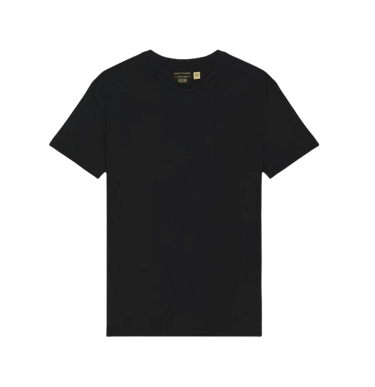







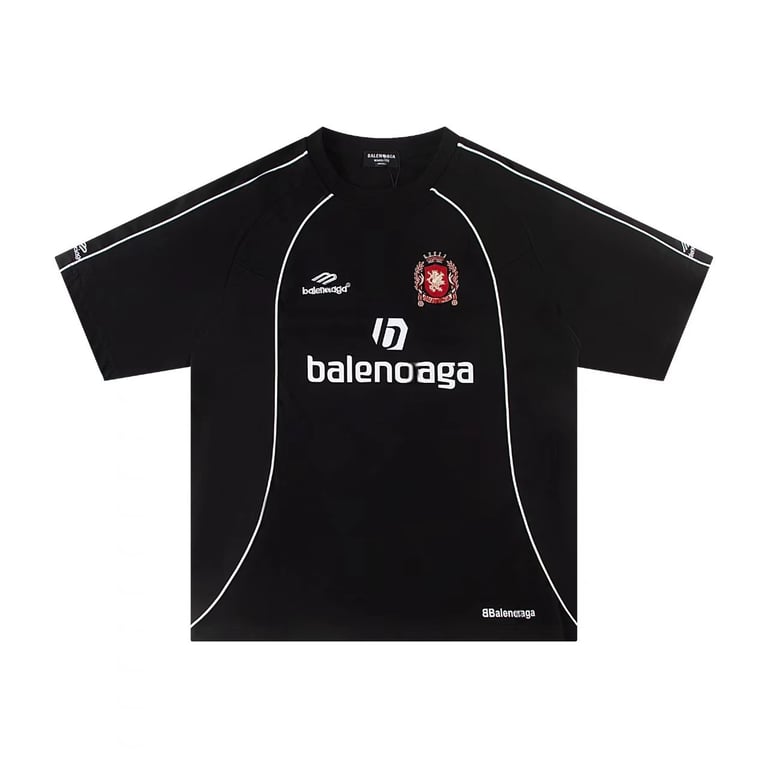



How Rizzitgo spreadsheet improves value comparison efficiency for buyers
In cross-border budget shopping, comparison is where most decision time is actually spent. Buyers rarely struggle to find products—they struggle to decide between similar options that look almost identical but behave differently in price, consistency, and availability. This comparison process is usually slow, fragmented, and mentally tiring because information is scattered across multiple suppliers.
In real-world usage, this often leads to a familiar outcome: users either over-compare until they lose confidence, or they under-compare and pick the first acceptable option.
The Rizzitgo spreadsheet changes this by restructuring how comparison itself is experienced.
Instead of requiring users to open multiple unrelated listings and manually align details, the system pre-organizes products into comparable groups before the user even begins evaluating them. This means comparison is not something users build—it is something they enter.
When a buyer opens a product category inside the Rizzitgo spreadsheet, they are not seeing isolated listings. They are seeing structured clusters where similar items are already grouped based on underlying product identity rather than surface-level naming.
In practice, this changes the rhythm of decision-making.
A user no longer jumps between unrelated pages trying to remember price differences or product variations. Instead, they remain within a single structured environment where comparisons are already partially aligned. Items that belong to the same functional category or design structure are placed closer together, reducing the mental effort required to evaluate differences.
This becomes especially important in budget scenarios, where differences between products are often small but meaningful—slightly different pricing tiers, minor supplier variations, or subtle changes in product consistency.
One of the key improvements comes from reducing “context switching.”
Normally, every time a buyer opens a new supplier page, they must rebuild context: what was the price again, how does this compare, is this the same product or a variation? The Rizzitgo spreadsheet minimizes this by keeping comparison units structurally connected.
Instead of resetting evaluation each time, users stay inside a continuous comparison frame where differences are already visible within the same grouping logic.
Another important shift is how alternatives are presented.
Rather than showing a long unstructured list of similar items, the Rizzitgo spreadsheet organizes alternatives into meaningful comparison sets. These sets reflect real sourcing relationships—such as identical products from different suppliers, or closely related variations within the same design line.
This allows buyers to understand not just “which is cheaper,” but also:
which option is more consistently available
which supplier appears across multiple entries
which variation behaves more stably across listings
Comparison becomes multi-dimensional without becoming more complex.
Over time, users begin to change how they evaluate products. Instead of scanning for the lowest price first, they begin to scan for consistency inside comparison groups. Price becomes one factor among several, rather than the only deciding signal.
This shift is subtle but important: it reduces impulsive selection and improves decision stability in fragmented supply environments.
At the execution layer, Rizzitgo links complements this structure by allowing users to jump directly from comparison clusters into supplier pages. Once a comparison group is formed inside the Rizzitgo spreadsheet, users can validate real listings without repeating search steps or rebuilding context.
Conclusion
The Rizzitgo spreadsheet improves value comparison efficiency by transforming comparison from a manual, cross-page process into a pre-structured evaluation environment. It reduces context switching, aligns similar products into meaningful groups, and makes differences easier to interpret within a single structured view.
Combined with Rizzitgo links, this system allows buyers to move seamlessly from structured comparison to real sourcing, significantly reducing decision friction in cross-border budget shopping scenarios.